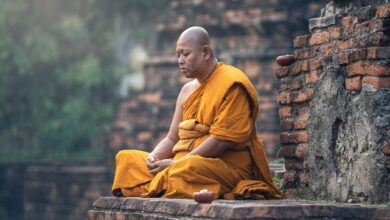
Unlocking Inner Peace: The Transformative Power of Mindfulness Meditation

In today’s fast-paced world, finding moments of tranquility can seem like a daunting challenge. Our minds are often cluttered with the chaos of daily life, making it difficult to attain a sense of inner peace. Enter mindfulness meditation—a practice that helps individuals cultivate a deeper awareness of the present moment. This article explores the transformative power of mindfulness meditation, its benefits, and how to incorporate it into your daily routine.
What is Mindfulness Meditation?
Mindfulness meditation is a mental exercise that encourages focused awareness on the present moment. It involves paying attention to thoughts, feelings, and sensations without judgment. By establishing a calm and centered mindset, mindfulness meditation helps participants connect with their inner selves, paving the way for emotional balance and clarity.
Key Principles of Mindfulness
- Awareness: Being fully present and conscious of your thoughts and surroundings.
- Acceptance: Acknowledging thoughts and emotions without judging or trying to change them.
- Focus: Redirecting your attention back to the present whenever your mind wanders.
The Benefits of Mindfulness Meditation
1. Reduces Stress
Stress is a common aspect of modern life, but mindfulness meditation can significantly alleviate it. Research shows that regular practice activates the body’s relaxation response, decreasing stress hormones like cortisol. This promotes overall well-being and a calmer state of mind.
2. Enhances Emotional Health
Engaging in mindfulness meditation has been linked to improved emotional resilience. By fostering an attitude of acceptance, individuals learn to manage negative emotions more effectively, leading to increased happiness and satisfaction in life.
3. Improves Concentration and Focus
Mindfulness meditation trains the brain to concentrate better. Participants often report enhanced attention spans and improved cognitive function, making it easier to navigate daily tasks and challenges.
4. Promotes Better Sleep
Anxiety and restless thoughts can hinder sleep quality. Mindfulness meditation encourages relaxation and mental clarity, helping practitioners fall asleep faster and enjoy deeper, more restorative sleep.
5. Increases Compassion and Empathy
Mindfulness fosters a greater understanding of oneself and others. This heightened awareness can lead to increased compassion, improved relationships, and a deeper sense of community.
How to Practice Mindfulness Meditation
Incorporating mindfulness meditation into your daily routine does not require extensive training or special tools. Here’s a simple guide to get you started:
1. Find a Quiet Space
Select a peaceful spot where you won’t be disturbed. This could be a corner of your home, a local park, or a serene outdoor space.
2. Set a Time Limit
If you’re new to meditation, start with just 5 to 10 minutes. You can gradually extend your sessions as you become more comfortable.
3. Get Comfortable
Sit or lie down in a comfortable position. Make sure your body is relaxed but alert.
4. Focus on Your Breath
Close your eyes and turn your attention to your breathing. Notice the sensation of air entering and leaving your nostrils or the rise and fall of your chest.
5. Acknowledge Your Thoughts
As your mind wanders, gently acknowledge your thoughts and return your focus to your breath. Remember, it’s normal for your mind to drift; the key is to remain patient and non-judgmental.
6. Conclude Your Session
When your time is up, slowly bring your awareness back to your surroundings. Open your eyes, take a moment to notice how you feel, and carry that sense of peace into your day.
Mindfulness Meditation Techniques
1. Body Scan
A body scan involves mentally scanning your body from head to toe, bringing awareness to each part. This practice enhances your connection with your physical self and helps reduce tension.
2. Mindful Walking
Take a walk while focusing on each step. Pay attention to the sensation of your feet touching the ground and the rhythm of your breathing. This combines mindfulness with physical activity.
3. Guided Meditations
Utilize apps or online videos that offer guided mindfulness meditations. These can provide structure and support as you embark on your mindfulness journey.
Conclusion
Mindfulness meditation is more than just a practice; it is a pathway to unlocking inner peace and emotional well-being. By embracing this transformative technique, you can cultivate a life filled with greater awareness, compassion, and joy. Whether you are seeking to reduce stress, enhance emotional health, or improve your focus, the practice of mindfulness meditation can lead you toward a more balanced and fulfilling existence. Embrace the power of mindfulness and experience the profound shifts it can bring to your life.