Beyond Stress: How to Unlock Inner Peace in a Chaotic World
In today’s fast-paced society, achieving inner peace can often feel like an insurmountable challenge. Stress and anxiety seem to permeate our daily lives, affecting both our mental and physical well-being. However, understanding how to unlock inner peace is essential for maintaining a balanced life. This article delves into various techniques and strategies to help you cultivate calmness amidst chaos.
Understanding Stress and Its Impact
What is Stress?
Stress is a natural response to external pressures, manifesting in various forms such as anxiety, irritability, and physical health issues. It triggers the fight-or-flight response, preparing the body for immediate action. While this response can be beneficial in short bursts, chronic stress can lead to more severe health problems, such as heart disease, depression, and cognitive decline.
Why Achieving Inner Peace Matters
Inner peace is not merely the absence of stress; it is a tranquil state of mind and a sense of balance and well-being. Achieving this state can result in improved health, productivity, and relationships. Inner peace empowers you to respond to life’s challenges with grace and resilience.
Techniques to Unlock Inner Peace
1. Mindfulness Meditation
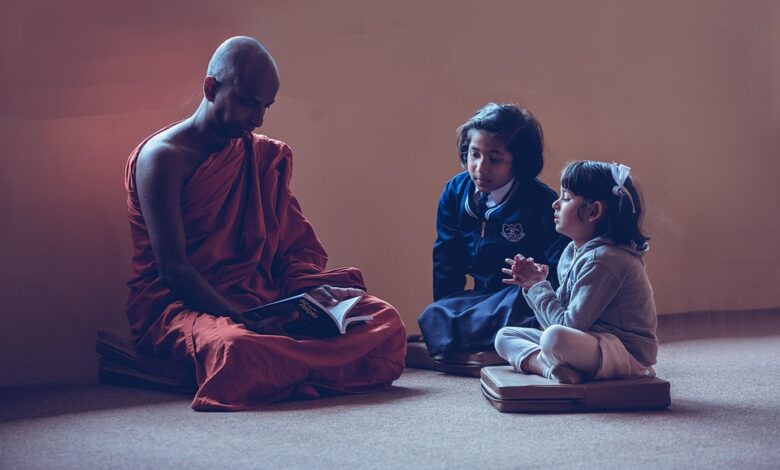
Mindfulness meditation encourages you to focus on the present moment, thereby reducing anxiety about the future or regrets over the past. Set aside at least 10 minutes daily for meditation. Sit comfortably, close your eyes, and concentrate on your breath. Allow thoughts to drift by without judgment.
2. Deep Breathing Exercises
Breathwork is a powerful tool for calming the nervous system. Try inhaling deeply for a count of four, holding your breath for four counts, and exhaling slowly for a count of six. Repeat this cycle for several minutes to promote relaxation.
3. Nature Therapy
Spending time in nature can significantly reduce stress levels. Studies show that even a fifteen-minute walk in a natural setting can lower cortisol levels. Engage with your surroundings by observing the sights, sounds, and smells, which helps anchor your thoughts in the present.
4. Journaling
Writing down your thoughts and feelings can serve as a powerful outlet for stress. Journaling allows you to externalize worries and reflect on positive experiences. Establish a habit of writing daily to enhance self-awareness.
5. Physical Activity
Regular exercise releases endorphins, the body’s natural stress relievers. Aim for at least 30 minutes of moderate exercise most days of the week. Activities like yoga, pilates, or even a brisk walk can significantly elevate your mood.
6. Limiting Technology
In an age of constant connectivity, it’s easy to feel overwhelmed by information overload. Consider implementing "tech-free" zones or times during your day. Reducing screen time can help you reconnect with yourself and your surroundings.
Building a Support System
Connection and Communication
Building strong relationships contributes to your overall well-being. Surround yourself with supportive friends and family who lift you up and encourage open communication. They can help you navigate stressful situations while providing a sense of belonging and understanding.
Professional Help
If stress becomes overwhelming, seeking the assistance of a mental health professional can be an empowering step. Therapists can provide coping strategies tailored to your individual needs and help you work through underlying issues.
Finding Purpose
Engage in Meaningful Activities
Participating in activities aligned with your values—whether volunteering, pursuing hobbies, or spending time with loved ones—can provide a sense of fulfillment. The pursuit of your passions acts as a counterweight to the stressors of everyday life, ultimately leading to a more balanced existence.
Embrace Daily Gratitude
Incorporating gratitude practices into your routine can reshape your mindset. Consider writing down three things you are grateful for each day. This simple practice can promote a more optimistic outlook and improve mental resilience.
Conclusion
Unlocking inner peace in a chaotic world requires a commitment to self-care and strategic management of stress. By integrating mindfulness, physical activity, and supportive relationships into your life, you can cultivate a nourishing environment for your mind and spirit. Remember, the journey to inner peace is ongoing—embrace each step and allow yourself to grow amidst the chaos.