From Anxiety to Zen: Breathing Exercises for Everyday Peace

In our fast-paced world, anxiety can often feel like a constant companion. Finding moments of peace may seem elusive amidst our daily responsibilities and stressors. However, simple breathing exercises can be a powerful tool to transition from anxiety to a state of zen. In this article, we will explore effective breathing techniques to help you cultivate calmness and peace in your everyday life.
Understanding Anxiety
Anxiety is a natural response to stress, characterized by feelings of worry, nervousness, or fear. It can manifest both physically and mentally, affecting your overall well-being. Understanding anxiety is the first step toward managing it effectively. Chronic anxiety can lead to increased heart rate, shallow breathing, and heightened tension. Thankfully, practicing focused breathing can counteract these symptoms, allowing you to regain control over your mind and body.
The Science Behind Breathing Exercises
Breathing exercises work by stimulating the body’s relaxation response. When you focus on your breath, you activate the parasympathetic nervous system, which helps lower heart rate and blood pressure. This grounding practice not only calms the mind but also fosters emotional stability. Additionally, deep breathing increases oxygen flow to the brain, enhancing clarity and focus—key elements for combating anxiety.
Breathing Techniques for Everyday Peace
Here are several effective breathing exercises you can incorporate into your daily routine to promote relaxation:
1. Diaphragmatic Breathing
How to Do It:
- Sit or lie down in a comfortable position.
- Place one hand on your chest and the other on your abdomen.
- Inhale deeply through your nose, allowing your diaphragm (not your chest) to expand.
- Exhale slowly through your mouth. Aim for longer exhalations than inhalations.
Benefits: This technique promotes full oxygen exchange, helps slow the heart rate, and reduces feelings of anxiety.
2. 4-7-8 Breathing
How to Do It:
- Inhale quietly through your nose for a count of 4.
- Hold your breath for a count of 7.
- Exhale completely through your mouth for a count of 8.
- Repeat several times.
Benefits: This technique is effective for reducing anxiety and promoting better sleep.
3. Box Breathing
How to Do It:
- Inhale through your nose for a count of 4.
- Hold your breath for a count of 4.
- Exhale through your mouth for a count of 4.
- Hold your breath again for a count of 4.
- Repeat the cycle.
Benefits: Box breathing can heighten focus and concentration while reducing stress and anxiety levels.
4. Nostril Breathing
How to Do It:
- Sit comfortably and close your right nostril with your right thumb.
- Inhale deeply through your left nostril.
- Close your left nostril with your right ring finger and release your right nostril.
- Exhale through your right nostril.
- Inhale through your right nostril, then close it and exhale through your left nostril.
Benefits: This technique balances the body’s energies, leading to increased calmness and focus.
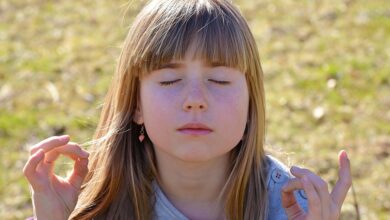
5. Mindful Breathing
How to Do It:
- Sit in a comfortable position and close your eyes.
- Focus on your breathing without trying to change it.
- Notice the sensation of air entering and leaving your body.
- If your mind wanders, gently bring your focus back to your breath.
Benefits: Mindful breathing enhances self-awareness and helps cultivate a sense of inner peace.
Incorporating Breathing Exercises Into Your Daily Routine
To get the most out of these breathing exercises, consider the following tips:
-
Schedule Your Practice: Dedicate specific times each day for practicing these techniques. Morning or bedtime can be especially effective.
-
Find a Quiet Space: Choose a calm environment where you can focus without distractions.
-
Use Guided Apps: There are various apps available that can guide you through breathing exercises, making it easier to follow along.
-
Practice with Intention: Approach each session with mindfulness, setting a positive intention for your practice.
- Stay Consistent: Like any skill, regular practice will yield the best results in managing anxiety and fostering peace.
Conclusion
Transforming anxiety into a state of zen is within your reach. By incorporating simple breathing exercises into your daily routine, you can create a foundation for lasting peace and well-being. Remember, the journey from anxiety to calmness begins with your breath. Embrace these techniques and take the first step toward a more tranquil life.