The Evolution of Meditation Music: From Ancient Chants to Modern Compositions
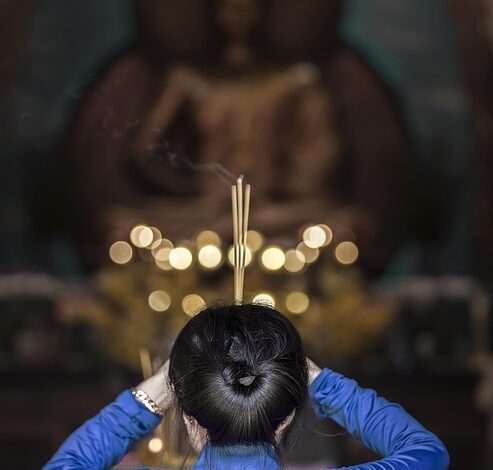
Meditation music has a rich and diverse history, woven into the fabric of spiritual practices across cultures. From ancient chants to contemporary soundscapes, this genre has evolved significantly, adapting to the needs of practitioners and the technological advancements of society. In this article, we will explore the evolution of meditation music, highlighting its origins, transformations, and relevance in today’s world.
The Origins of Meditation Music
Ancient Traditions
Meditation music traces its roots back thousands of years, with various forms used in spiritual practices around the globe. In Hinduism, the use of sanskrit chants, such as the "Om" mantra, played a crucial role in meditation. These ancient sounds were believed to connect the devotee with the divine, fostering spiritual growth and inner peace.
Similarly, in Buddhism, chanting was utilized as a method for focusing the mind and enhancing meditation practices. Melodic structures often accompanied prayers, creating a soothing atmosphere that promoted mindfulness and reflection.
Native Cultures
Indigenous cultures also embraced music as a vital component of their meditation practices. Native American tribes, for instance, used drumming and flute melodies in their rituals, believing that these sounds bridged the gap between the physical and spiritual realms. The rhythmic patterns provided a heartbeat to the meditative experience, grounding participants and facilitating profound introspection.
The Shift to Modern Compositions
Influence of Eastern Practices
The 20th century marked a turning point in the world of meditation music. As Eastern philosophies began to permeate Western culture, the demand for meditation music grew. Composers like George Harrison of The Beatles integrated Tibetan bowls and sitar melodies into popular music, making meditation soundtracks more accessible to the Western audience.
Pioneering Artists
With the meteoric rise of new-age music, artists such as Enya and Deuter emerged, blending traditional sounds with modern technology. Their compositions often featured atmospheric sounds, synthesized melodies, and natural elements, creating immersive soundscapes that invited listeners into deep meditative states.
The Role of Technology in Meditation Music
Digital Innovation
The emergence of digital technology has revolutionized the creation and distribution of meditation music. Today, artists can record and produce music from their home studios, leading to an explosion of diverse styles and interpretations. Streaming platforms like Spotify and YouTube have made meditation music more accessible than ever, with playlists curated specifically for mindfulness practices.
Scientific Backing
In recent years, scientific research has validated the benefits of meditation music, with studies demonstrating its positive effects on mental health and well-being. The soothing sounds of meditation music can lower stress levels, enhance focus, and improve emotional resilience. As a result, more individuals are incorporating meditation music into their daily routines.
Contemporary Trends in Meditation Music
Fusion Genres
Today’s meditation music encompasses an eclectic mix of genres, including ambient, chill-out, and even electronic dance music (EDM). This fusion allows practitioners to find styles that resonate with them personally, promoting a more engaging and effective meditation experience.
Guided Meditations
A notable trend in recent years has been the rise of guided meditations, often accompanied by serene soundscapes. These recordings lead listeners on structured journeys, providing instructions that help deepen their practice. This combination of spoken word and soothing music caters to those new to meditation, making the practice more approachable.
Conclusion
The evolution of meditation music reflects humanity’s ongoing quest for inner peace and spiritual connection. From ancient chants and rituals to modern compositions enhanced by technology, this genre has transformed to meet the diverse needs of practitioners. As we continue to explore new sounds and styles, meditation music will undoubtedly remain a vital tool in our pursuit of mindfulness and well-being.