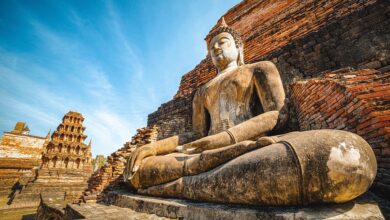
Finding Stillness: A Beginner’s Journey into Meditation

Meditation has emerged as a powerful tool for enhancing mental clarity, emotional well-being, and overall life satisfaction. As more individuals seek peace in a chaotic world, the practice of meditation offers a sanctuary of stillness. If you’re new to meditation, this guide will introduce you to the fundamentals, benefits, and tips for starting your journey towards inner calm.
What is Meditation?
At its core, meditation is a practice that engages the mind, fostering relaxation and self-awareness. While various forms exist, most involve focusing attention and eliminating the stream of thoughts that typically occupy our minds. Whether through mindfulness, concentration, or movement, meditation can be tailored to fit anyone’s lifestyle.
The Benefits of Meditation
Engaging in meditation regularly offers numerous benefits:
1. Reduced Stress
One of the primary reasons people turn to meditation is to alleviate stress. Research has shown that meditation lowers levels of cortisol, the stress hormone, leading to a more relaxed state.
2. Enhanced Focus and Concentration
Meditation encourages mental clarity and focus, improving attention span and cognitive functioning. This can be particularly beneficial in our increasingly distracted world.
3. Emotional Health Improvement
Practicing mindfulness and meditation can lead to improvements in mood and emotional health. It can help reduce symptoms of anxiety and depression, promoting a more upbeat outlook on life.
4. Better Sleep
Individuals who meditate often report improved sleep quality. The relaxation gained from meditation can help calm the mind, making it easier to drift into restful sleep.
5. Increased Self-Awareness
Meditation fosters a greater understanding of oneself, allowing individuals to recognize their thoughts and emotions without judgment. This heightened self-awareness can lead to greater self-acceptance and personal growth.
Getting Started with Meditation
1. Set Aside Time
Carve out a specific time each day for your meditation practice. Early mornings or late evenings can be great for establishing a routine. Even just 5-10 minutes can make a difference.
2. Find a Comfortable Space
Choose a quiet and comfortable place where you can relax without interruptions. Create an ambiance that is conducive to meditation; consider soft lighting and calming scents.
3. Choose Your Technique
There are various meditation techniques to explore. Here are a few popular ones:
- Mindfulness Meditation: Focus on your breath and observe your thoughts without judgment.
- Guided Meditation: Use apps or recordings that lead you through a meditative experience.
- Loving-kindness Meditation: Cultivate compassion for yourself and others through positive affirmations.
4. Focus on Your Breath
Begin with simple breath awareness. Inhale deeply through your nose, hold for a moment, and exhale slowly through your mouth. This practice can anchor you in the present moment.
5. Be Patient with Yourself
Meditation is a skill that develops over time. It’s normal for your mind to wander; gently redirect your focus back to your breath or intention.
Common Challenges in Meditation
Many beginners encounter obstacles while meditating. Here are a few that may arise:
- Restlessness: It’s common to feel restless; try short sessions initially and gradually increase the duration.
- Intrusive Thoughts: Allow thoughts to come and go without attachment. Acknowledge them and return to your breath.
- Doubt about Effectiveness: Results may take time. Commit to your practice and notice how your feelings evolve over weeks and months.
Conclusion
Embarking on a meditation journey can be transformative, leading to profound changes in your mental and emotional landscape. By embracing stillness and committing to regular practice, you’ll cultivate a sanctuary of peace within. Remember, finding stillness is a personal journey, and every moment spent in meditation is a step closer to a more mindful, balanced life. Start today and experience the myriad benefits of embracing stillness through meditation.